Feasibility study
50%
of customer orders automated end to end at a private equity-backed manufacturer, in a four-week feasibility study
A generative AI pipeline read emailed PDF orders and passed the unclear ones to a person.
Read the case study
Pilot AI
Stage 3 of 4
Pilot: the AiRE rollout, by Forward Deployed AI
Forward Deployed AI delivers the AiRE rollout, the Pilot part of our AI Rollout Engine: AI engineers inside your team build and test AI pilots and agents. QuantSpark engineers work inside your team on a monthly retainer, led by a senior builder, on any model.
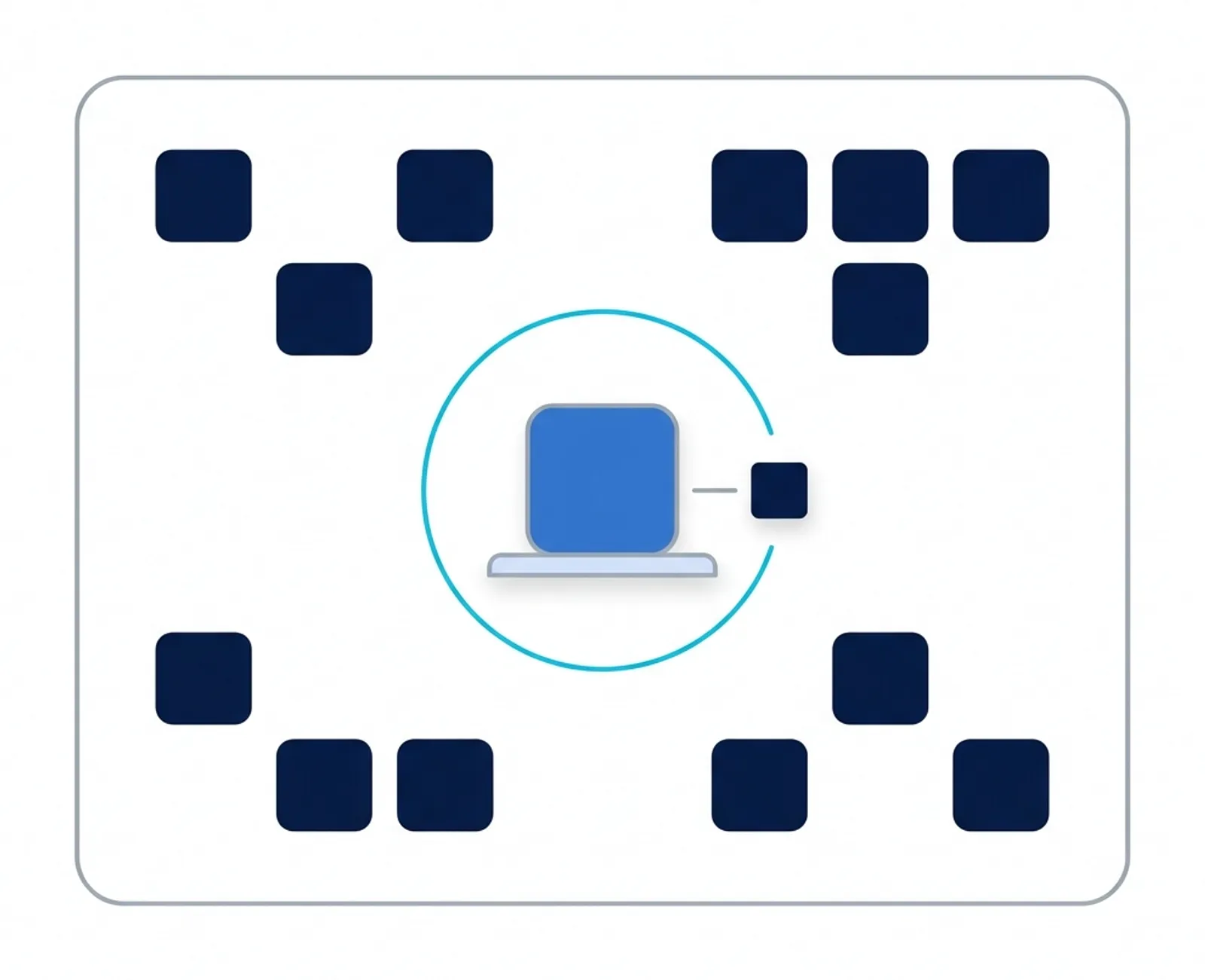
AI engineers inside your team build and test AI pilots and agents in six-week sprints, on a monthly retainer.
Why engineers inside your teamEngineers at the level the work needs, from level 1, Use, to level 5, Operate, and the same five levels your people train to.
Engineers by levelWhen a pilot is too large for engineers working inside your team, a QuantSpark team runs it as a project, led by a senior builder.
A level 5 lead who builds the first prototype hands-on and advises the board on what to do next.
The AI operating partnerOur AI Rollout Engine (AiRE) has two parts: the AiRE assessment and roadmap in Plan, and the AiRE rollout in Pilot. You can begin with either.
Eight modules over four weeks test where AI exposes the business and where AI can win. You get a ranked AI roadmap, a buy-versus-build view and AI governance.
Forward Deployed AI engineers inside your team build and test AI agents and pilot products in six-week sprints, on a monthly retainer, led by a senior builder.
The promise of AI is real, but it is hard to deliver on your own. Engineers who work inside your team give you the best of all worlds: they build in your systems, with your people and your data. It is the model AI companies use with their own customers: OpenAI, Anthropic and Palantir each embed engineers directly with their customers' teams. QuantSpark adds more than a decade of building data and AI systems, since 2016, and our engineers ship working tools in six-week sprints.
Sources: OpenAI, Anthropic, Palantir.
Go to forward-deployed.aiPortfolio company chief executives and functional leaders with a list of basic AI work and no capacity to do it, and private equity operating partners who want the same help repeated across several companies. It usually starts when:
Forward Deployed AI is a subscription. You pay a monthly retainer for engineers at the level the work needs, from level 1, Use, to level 5, Operate, and change the mix as the work changes. You can start with one level 1 AI adoption engineer who sets up the tools and gets your people using them.
Our engineers are model-agnostic. They build on the models and agent platforms you already use, from Anthropic, OpenAI, Google or open models, and connect your tools through the Model Context Protocol, the open standard for linking AI to company systems.
Our engineers are named by the same five levels we train your people to, and each level is a type of AI engineering: level 1, Use, the AI adoption engineer; level 2, Connect, the AI integration engineer; level 3, Build, the AI agent engineer; level 4, Ship, the AI production engineer; and level 5, Operate, the AI operating partner. You choose the level the work needs.
Entry level: AI-native, trained and supervised
Licences, prompts, skills and simple automations at level 1; connecting tools and running adoption at level 2.
One or two days a week inside a smaller business, working from a documented plan.
Many AI adoption and AI integration engineers can work under one AI production engineer.
Two to five years of experience
Build single-job agents and tools inside a workflow, each checked by a person.
A retainer of two to five days a week.
Can add AI adoption and AI integration engineers, and one or two can join an AI operating partner.
Senior practitioner
Take agents and AI code into production with tests, monitoring and security, bring coding agents into your engineering team, and own quality on the retainer.
Leads a retainer across one company, or across several in a portfolio.
Leads a small group and passes level 5 work to the AI operating partner.
All three work for QuantSpark, on QuantSpark engagements.
Level 5 of Forward Deployed AI: one very senior person who builds your first AI prototype and advises your board on AI. The AI operating partner can lead the work at any stage, and takes anything beyond level 4.
What an AI operating partner doesSenior people build it themselves. The senior builder on every pilot is a senior product engineer or an AI operating partner, writing the code inside your team. Our senior engineers and senior product managers back them, so a pilot that works is secure and fit for production, and can go straight into a production build with no second prototype.
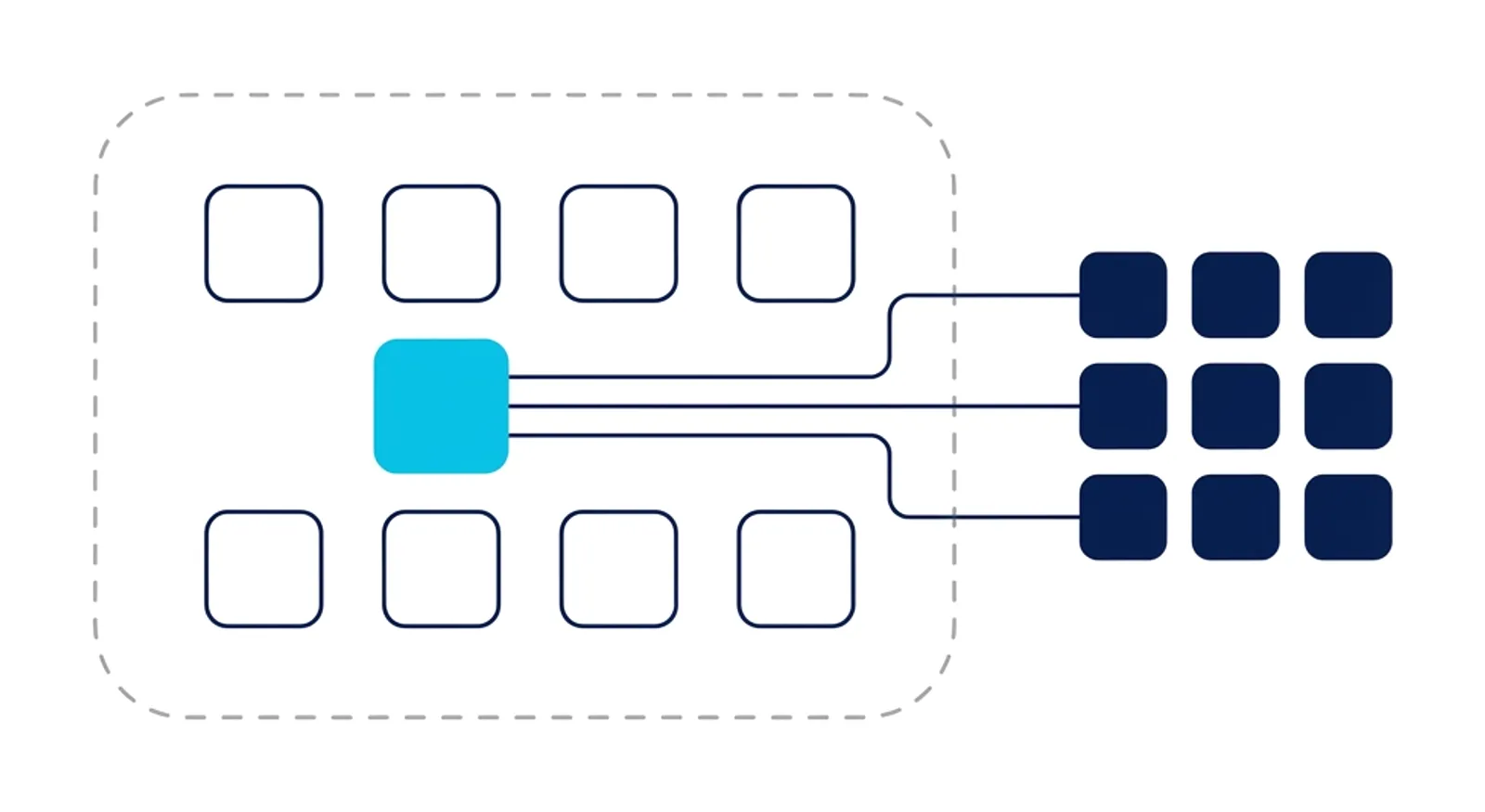
Pilot is Forward Deployed AI. Its own site sets out how the engineers work, the five levels and how to start, and explains the role itself.
A monthly retainer per engineer. Each six-week sprint has a goal agreed at its start and reviewed at its end.
A steady baseline in the business, with collaborative sprints on top, so knowledge compounds and our engineers work as part of your team.
Each workflow moves from experiment to pilot, then to production, then to scale. Before real users touch it, it earns a named owner, a test set and a defined role. In production it runs with monitoring, an audit trail and a way to stop it. Control sits outside the model, inside your own tenant.
The manufacturer's figure comes from a feasibility study, and is labelled as one.
Feasibility study
50%
of customer orders automated end to end at a private equity-backed manufacturer, in a four-week feasibility study
A generative AI pipeline read emailed PDF orders and passed the unclear ones to a person.
Read the case studyPilot also includes the AI operating partner, level 5 of Forward Deployed AI.
A 30-minute call with Adam or Wanda. We will tell you plainly whether we are the right fit.