
Level 5: the AI operating partner
A very senior person inside your business, building your first prototype and advising your board
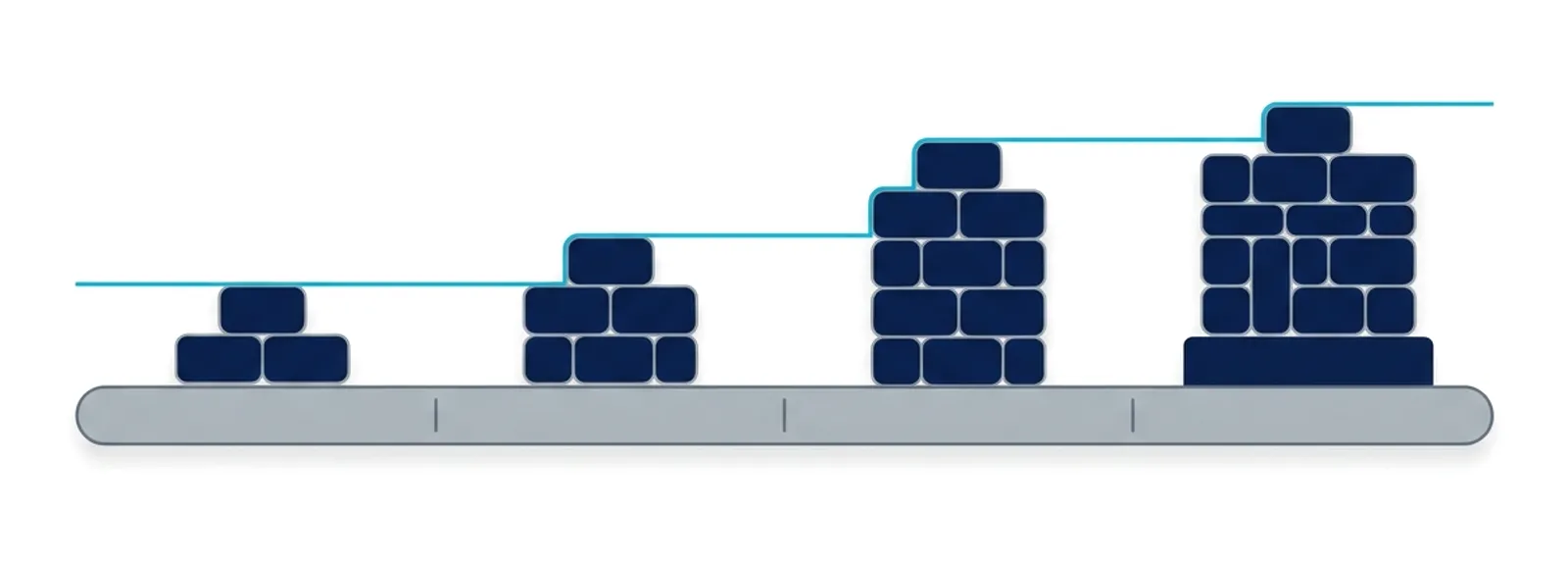
This person goes into the business and builds the first prototype there, with agents, in four to six weeks. The same person can advise the board. You get one accountable senior builder, with no team to manage. An AI operating partner can lead any stage: the AiRE assessment in Plan, a first prototype in Pilot, or a build in Productionise.
Who buys it, and when
Boards, portfolio company chief executives and private equity operating partners. It usually starts when:
- a complex opportunity has no internal owner;
- a board wants its AI position tested by someone who has built;
- a project stalled because too many people had to coordinate it.
What this person does
We call the role the AI operating partner. It is a different job from a private equity operating partner, who works across a portfolio for the firm. This person works in one business, on its systems, and the most senior person on the account is the one building.
- Goes into the business and maps one workflow with the people who run it.
- Builds the first prototype there, on your systems, with agents.
- Designs how agents should be used in the work that follows.
- Can advise the board on what the prototype shows and what to do next.
- Brings in one or two engineers as the work grows.
The first engagement: a working prototype in four to six weeks
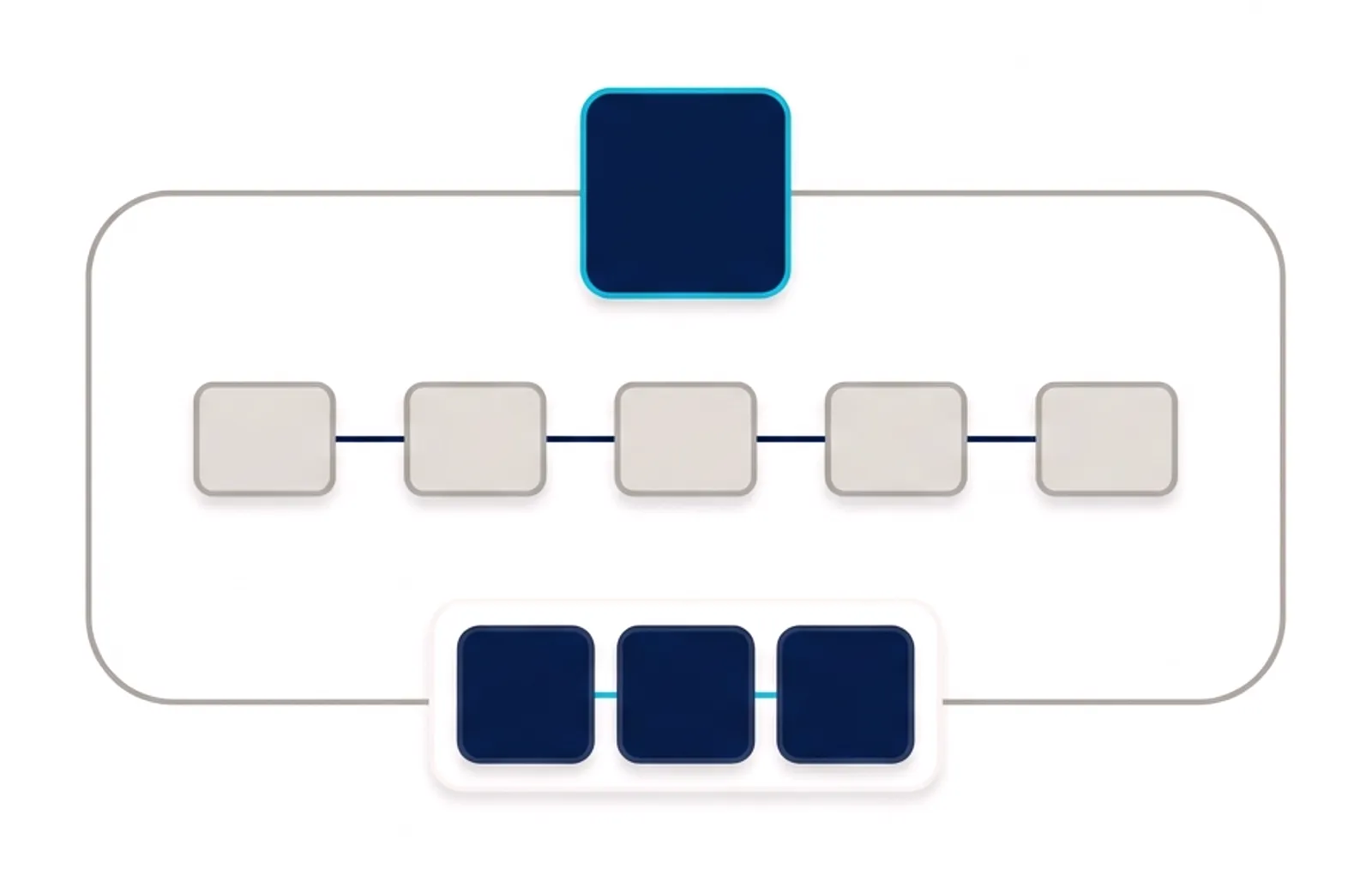
- Week 1
Map one workflow
We follow one workflow from start to finish with the people who run it, mark where time and accuracy are lost, and agree the number that will show whether the prototype worked.
- Weeks 2 to 4
Build on your systems
The prototype is built against real data on the systems you already run, with your people alongside. Tests and limits on what an agent may do go in from the first day.
- Weeks 5 to 6
Prove and hand over
We test the prototype against the agreed number, confirm it handles the clear cases and passes the unclear ones to a person, and read the result out to the board. You receive the code and the tests.
How it runs
- A monthly retainer for a fixed one or two days a week.
- A working prototype in four to six weeks, on your systems and your data.
- Code, models and data that belong to you.
- Scale by adding engineers from Forward Deployed AI.
Feasibility study
50%
of customer orders automated end to end at a private equity-backed manufacturer, in a four-week feasibility study
The kind of workflow a first prototype takes on
A private equity-backed European manufacturer of engineered wood products received customer orders by email as PDF attachments, in several languages and with no common layout. A dedicated team read each one and rekeyed it into SAP by hand.
A three-step pipeline changed that. A generative AI model reads the order and its lines; a classifier trained on historic orders predicts the product code for each line; historic purchase data fills the remaining fields. Each order then goes to automatic processing or to a person, depending on how confident the system is.
This engagement ran as a feasibility study followed by a minimum viable product, before this service existed. It shows the kind of work involved, and it is the nearest published example.
Read the case studyQuestions we are asked
Who owns the IP?
Which models do you use?
Talk to us about your business
A 30-minute call with Adam or Wanda. We will tell you plainly whether we are the right fit.